

Subluxation (shoulder)
Have Questions About Shoulder Treatments?
We're here to help you understand your options.
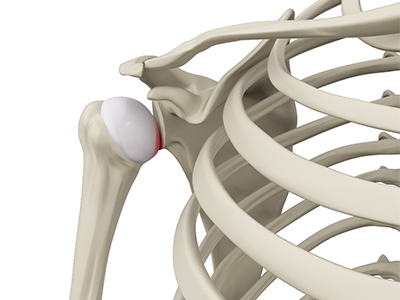
Shoulder subluxation is a condition in which the ball of the shoulder joint partially slips out of its socket without completely dislocating. This partial dislocation can cause pain, instability, weakness, limited range of motion, and a sensation that the shoulder is slipping or giving way during movement. Dr. Salil Gupta is a board-certified orthopaedic surgeon specializing in upper extremity care, providing comprehensive evaluation and treatment for shoulder instability conditions, including shoulder subluxation.
What is Subluxation?
The shoulder is a highly mobile ball and socket joint. The ball of the upper arm bone (humerus) is held in place at the socket (glenoid) of the shoulder blade (scapula) by a group of ligaments. A partial dislocation of the shoulder joint is termed as a subluxation. This means the ball has partially moved out of the glenoid as opposed to a dislocation, where the ball completely moves out of the glenoid.
What are the Causes of Subluxation?
Subluxation usually occurs from falls or a direct blow to your shoulder. It can also be caused due to a previous shoulder injury or if the ligaments in your shoulder are loose. Subluxations tend to recur due to laxity in the ligaments.
What are the Symptoms of Subluxation?
Subluxation of the shoulder includes the following symptoms:
- A feeling that your shoulder has moved out of place
- Pain, numbness or weakness of the injured shoulder
- A feeling of looseness of the shoulder
How is Subluxation Diagnosed?
Subluxation of the shoulder is diagnosed by a review of your medical history and symptoms, and a thorough physical examination of your shoulder. Your doctor may also recommend X-rays to confirm the diagnosis and identify any fractures of the shoulder joint.
What is the Treatment for Subluxation?
Subluxation of the shoulder is treated with rest, ice packs and NSAIDs to reduce the pain and inflammation. You may be referred to as occupational therapy for shoulder strengthening exercises to help prevent recurrence. Surgery may be required to repair the ligaments if conservative treatment measures do not prevent further subluxations.


