

Intricate Hand and Microscopic Surgery
Have Questions About Hand & Wrist Treatments?
We're here to help you understand your options.
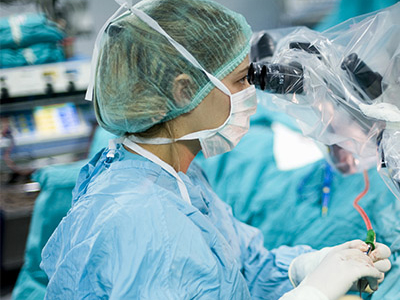
The hand is one of the most complex structures in the human body, consisting of delicate bones, joints, tendons, ligaments, nerves, blood vessels, and soft tissues that must work together with remarkable precision. Injuries and conditions affecting these intricate structures often require highly specialized surgical expertise. Dr. Salil Gupta is a board-certified orthopaedic surgeon with advanced training in hand, upper extremity, and microscopic surgery, providing comprehensive care for complex hand and wrist conditions.
What makes the hand a complex structure?
The hand is considered one of the most complex structures in the human body due to its intricate anatomy. It consists of various bones, joints, ligaments, tendons, muscles, nerves, and blood vessels that work together to enable precise movements and daily functions.
Without proper hand function, performing activities of daily living becomes difficult. The hand plays a vital role in almost every task, from basic movements to fine motor skills.
What types of conditions can affect the hand?
The hand is highly susceptible to injury and disease. Common conditions include:
- Traumatic injuries: Fractures, tendon injuries, digit amputation, or lacerations involving nerve or blood vessel damage.
- Congenital deformities: Conditions present at birth such as constriction band syndrome, extra or missing digits, syndactyly (fused fingers), or underdeveloped fingers/thumbs.
- Arthritis-related deformities: Severe osteoarthritis or rheumatoid arthritis may cause joint damage and deformity of the fingers.
- Overuse injuries: Conditions like carpal tunnel syndrome, trigger finger, and De Quervain’s tenosynovitis.
- Infections: More common in individuals with diabetes due to poor circulation in the extremities.
What is microscopic hand surgery?
Microscopic hand surgery is a specialized procedure performed on very small structures such as nerves and blood vessels in the hand and fingers. It is carried out using specially designed instruments under a microscope.
What happens during microscopic hand surgery?
During the surgery, the damaged areas are repaired and reshaped. Microscopic hand surgery is also used to reattach severed fingers or hand. Moreover, flaps and grafts of bone, skin, muscle or other tissue from a healthy donor or the patient’s own body are often used for reconstruction of the affected structures. If required, small blood vessels are also repaired by using small needles with very fine sutures. Microscopic surgery improves the aesthetic appearance of the hand and also can restore the functionality of the hand.
Is rehabilitation required after surgery?
Yes, rehabilitation therapy may be recommended in some cases to restore strength, flexibility, and optimal hand function after surgery.


