

Schedule Your Dupuytren’s Treatment in New York
Book a consultation with Dr. Salil Gupta today to explore advanced treatment options for Dupuytren’s contracture.
Call now or request an appointment online to begin your recovery journey.
Dupuytren’s Fasciectomy in New York, Queens, Brooklyn, Manhattan & Long Island | Dr. Salil Gupta
Are your fingers bending toward your palm, making it difficult to straighten your hand? Dr. Salil Gupta a board-certified orthopaedic surgeon, provides expert treatment for Dupuytren’s contracture, including advanced Dupuytren’s fasciectomy, across New York, Queens, Brooklyn, Manhattan, and Long Island.
Dupuytren’s contracture is a progressive hand condition that can significantly affect your ability to perform everyday tasks. When non-surgical treatments are no longer effective, surgical intervention such as fasciectomy can restore finger movement and improve hand function.
Dr. Gupta offers personalized care using precise surgical techniques to remove diseased tissue, helping patients regain mobility, reduce deformity, and return to normal activities with confidence.
What is Dupuytren’s Fasciectomy?
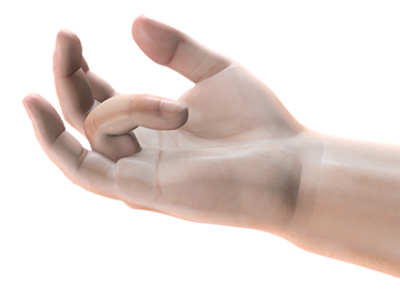
Dupuytren’s fasciectomy is a surgical procedure used to treat Dupuytren’s contracture, a hand condition in which thickened and tightened tissue (fascia) underneath the skin of the palm causes one or more fingers (usually the ring and little fingers) to bend toward the palm and lose full range of motion. The procedure involves surgically removing the diseased and thickened fascia in the palm and fingers to release the contracted finger(s).
What are the Indications for Dupuytren’s Fasciectomy?
Indications for Dupuytren’s fasciectomy typically include moderate to severe cases of Dupuytren’s contracture where the function of the hand is significantly affected. Specific indications are:
- Progressive contracture
- Functional impairment
- Metacarpophalangeal (MCP) joint contracture of greater than 30 degrees
- Any degree of proximal interphalangeal (PIP) joints
- Failed non-surgical treatments
- Recurrent contracture after prior treatment
What Does the Procedure for Dupuytren’s Fasciectomy Involve?
In general, the procedure for Dupuytren’s fasciectomy involves the following steps:
- The procedure is performed under local, regional, or general anesthesia, depending on the extent of disease and patient preference.
- The surgeon makes zigzag or longitudinal incisions along the palm and affected finger(s) to access the diseased tissue.
- The abnormal cords and nodules (diseased palmar fascia) are carefully dissected and removed.
- Important nerves, blood vessels, and tendons are protected throughout the dissection.
- In cases of severe contracture, skin grafting or Z-plasty may be needed if there is not enough skin to cover the area after straightening the finger.
- The wound is closed with fine sutures, and a dressing or splint is applied to protect the surgical site and maintain finger extension.
What Does the Postoperative Care for Dupuytren’s Fasciectomy Involve?
Postoperative care for Dupuytren’s Fasciectomy involves wound care, pain management, splinting, and hand therapy to ensure proper healing and restore function. The surgical site is kept clean and dry, with dressings changed and sutures removed within 10–14 days. Pain and swelling are managed with medications, elevation, and cold therapy. A custom splint is often worn, especially at night, to maintain finger extension and prevent recurrence. Hand therapy is started early to improve range of motion, reduce stiffness, and minimize scar formation. Patients are advised to avoid strenuous hand activities initially and attend regular follow-up visits to monitor progress and address any complications.
What are the Risks and Complications of Dupuytren’s Fasciectomy?
Risks and complications of Dupuytren’s fasciectomy include:
- Infection
- Bleeding or hematoma
- Nerve or blood vessel injury
- Finger stiffness or reduced range of motion
- Delayed wound healing
- Scar sensitivity or painful scarring
- Recurrence of contracture
What are the Benefits of Dupuytren’s Fasciectomy?
The benefits of Dupuytren’s fasciectomy include:
- Improved finger extension and hand function
- Relief from contracture and deformity
- Enhanced ability to perform daily activities
- Lower risk of recurrence
Why Choose Dr. Salil Gupta for Dupuytren’s Fasciectomy in New York?
Choosing the right surgeon is essential for successful treatment of Dupuytren’s contracture. Dr. Salil Gupta is known for delivering high-quality, patient-centered orthopaedic care.
- Board-Certified Orthopaedic Surgeon with expertise in hand conditions
- Specialized Experience in Dupuytren’s Contracture Treatment
- Advanced Surgical Techniques to maximize function and minimize recurrence
- Personalized Treatment Plans based on disease severity and patient needs
- Comprehensive Care from evaluation to post-surgical rehabilitation
- Convenient Locations across New York, Queens, Brooklyn, Manhattan, and Long Island
Dr. Gupta focuses on restoring hand function, improving finger mobility, and enhancing your overall quality of life.
Dupuytren’s Fasciectomy FAQs
It is a surgical procedure that removes thickened and contracted tissue in the palm to restore finger movement.
Surgery is typically recommended when finger contracture affects hand function or when joint bending becomes significant.
Recovery varies, but most patients benefit from hand therapy and regain function over several weeks to months.
Yes, recurrence is possible, but surgery can significantly improve function and delay progression.
Yes, hand therapy is an important part of recovery to improve motion and reduce stiffness.
Schedule Your Dupuytren’s Treatment in New York
Don’t let Dupuytren’s contracture limit your hand function. Early and expert care can restore movement and improve your daily life.
Book a consultation with Dr. Salil Gupta today to explore advanced treatment options for Dupuytren’s contracture.
- Serving New York, Queens, Brooklyn, Manhattan & Long Island
- Call now or request an appointment online to begin your recovery journey.


